
Навигация
Благотворительность


/


25.10.2026
News and changes to pet travel rules
Pet travel rules change all the time: airlines update their requirements, countries rewrite their laws and veterinary services change how they handle documents. Here we collect the important changes worth knowing before your trip.
Updated: October 2026
EU: new pet entry rules from 22 April 2026
From this date, bringing dogs, cats and ferrets into the European Union is governed by a new document, Regulation (EU) 2026/131. What has changed in practice:
- The pet must travel with its owner. Separate travel without an escort is no longer considered non-commercial. If an authorised person travels with the animal, the flight must take place within 5 days of the owner's trip.
- No more than five animals. If there are more pets, the move is processed under commercial rules. The exception is shows and competitions: you need written confirmation of participation, and the animals must be over 6 months old.
- The health certificate is valid for 10 days from the vet's signature. For dogs travelling to Finland, Malta, Ireland or Northern Ireland, it is 5 days.
- Old certificate forms are accepted only if they were signed before 30 September 2026. After that date, the new template is required.
IATA has issued unified guidance for pets in the cabin
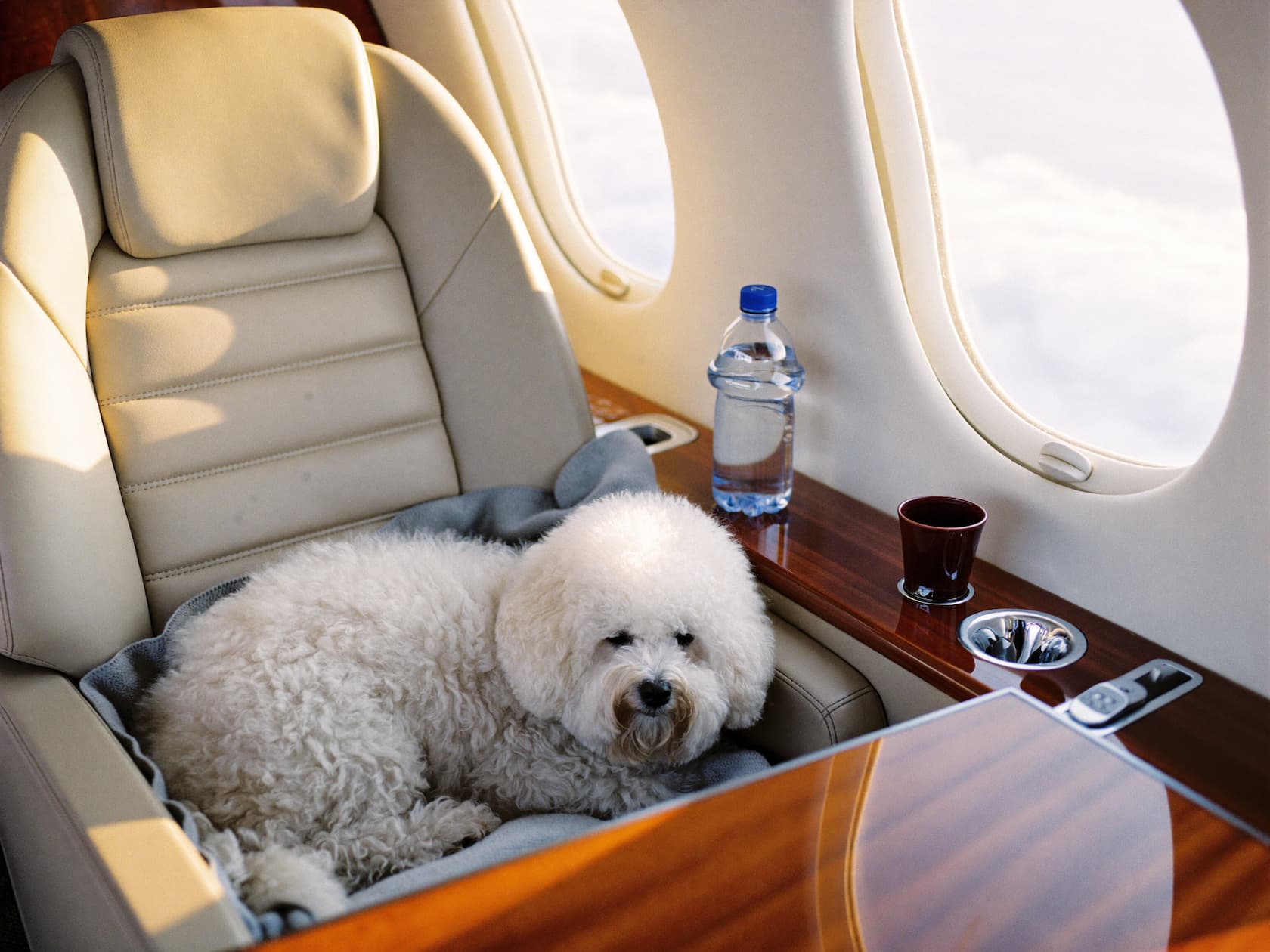
On 15 July 2026, the International Air Transport Association (IATA) published guidance for airlines on carrying animals in the cabin. It covers the whole journey: booking, check-in, boarding, the flight, layovers and arrival.
The reason is passenger confusion. According to an IATA survey, 41% of people travelling with animals are not sure whether their pet is allowed on board, and 36% do not understand a specific airline's rules.
Important: these are recommendations, not law. Each airline still has its own rules, so check them before you buy a ticket.
USA: the CDC dog import form has been updated
On 5 February 2026, the CDC updated its online Dog Import Form system. Only the look and the receipt layout have changed; the requirements are the same:
- the dog must be at least 6 months old;
- a microchip is mandatory;
- the rabies vaccination must be given after microchipping;
- a Dog Import Form receipt is required for entry.
Receipts issued in the old system remain valid if the details are correct and they have not expired.
Airlines: soft carriers only in the cabin
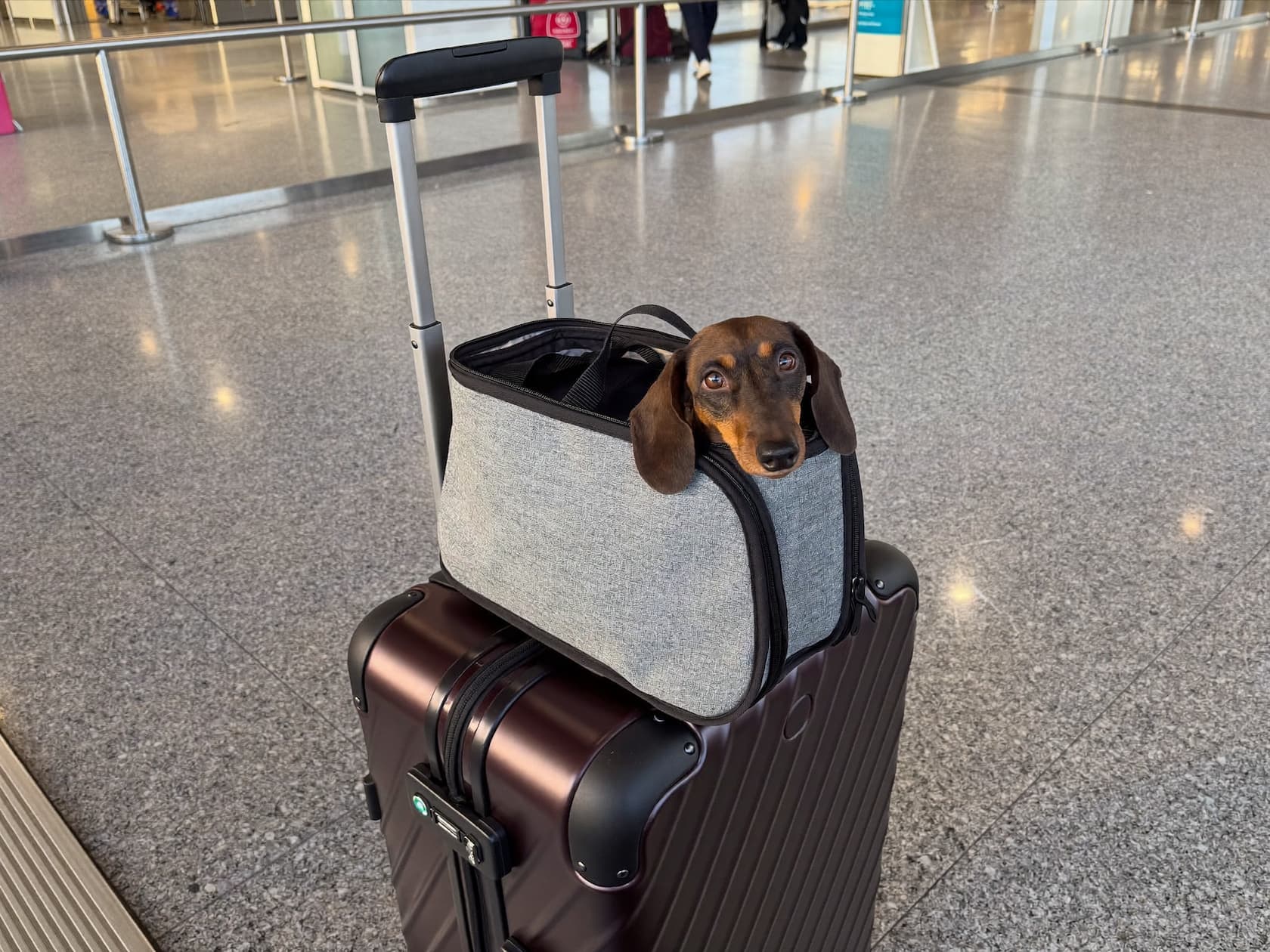
Several airlines have stopped accepting hard-sided carriers in the cabin. For example, in 2026 Alaska Airlines and Air Canada allow only soft carriers. In addition, more and more carriers restrict travel for brachycephalic breeds (pugs, bulldogs, Persian cats and others), sometimes even in the hold.
Tip: before buying a carrier, check the required type and dimensions with the airline. A carrier that doesn't comply may be refused right at check-in.
Vaccination: Rabisin and entry to the UAE
In our experience, UAE veterinary services have repeatedly refused to accept the Rabisin rabies vaccine, considering it counterfeit. With this vaccination, you may not be issued a certificate for entry to the Emirates in your departure country.
What to do: if you are planning to bring your pet to the UAE, agree on the vaccine with us in advance. Remember that a rabies vaccination only counts if it was given after the microchip was implanted.
This information is for general guidance only. Rules change, so before travelling check the requirements with the airline and the veterinary service of the destination country, or write to us and we'll check everything for your route.


More articles
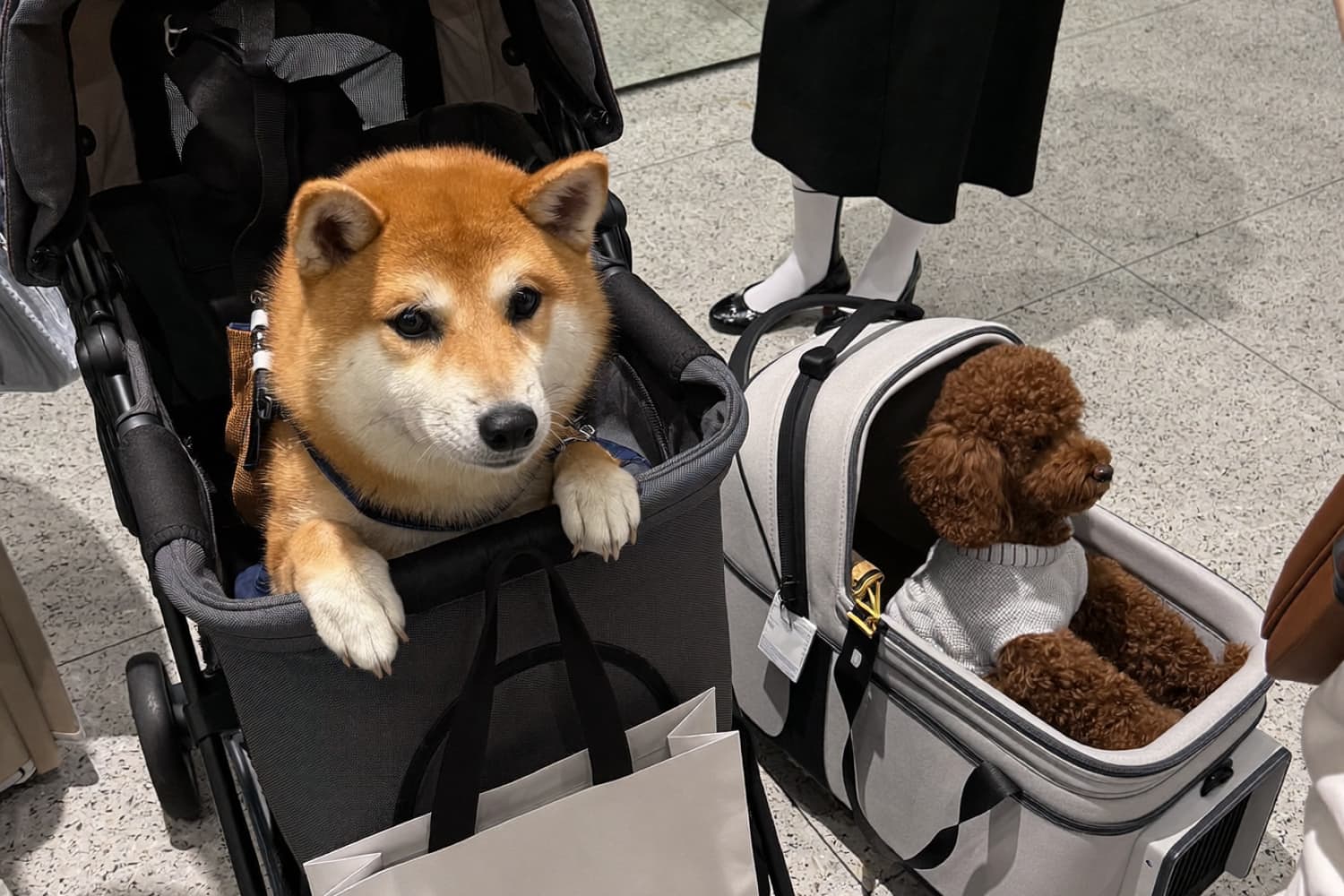
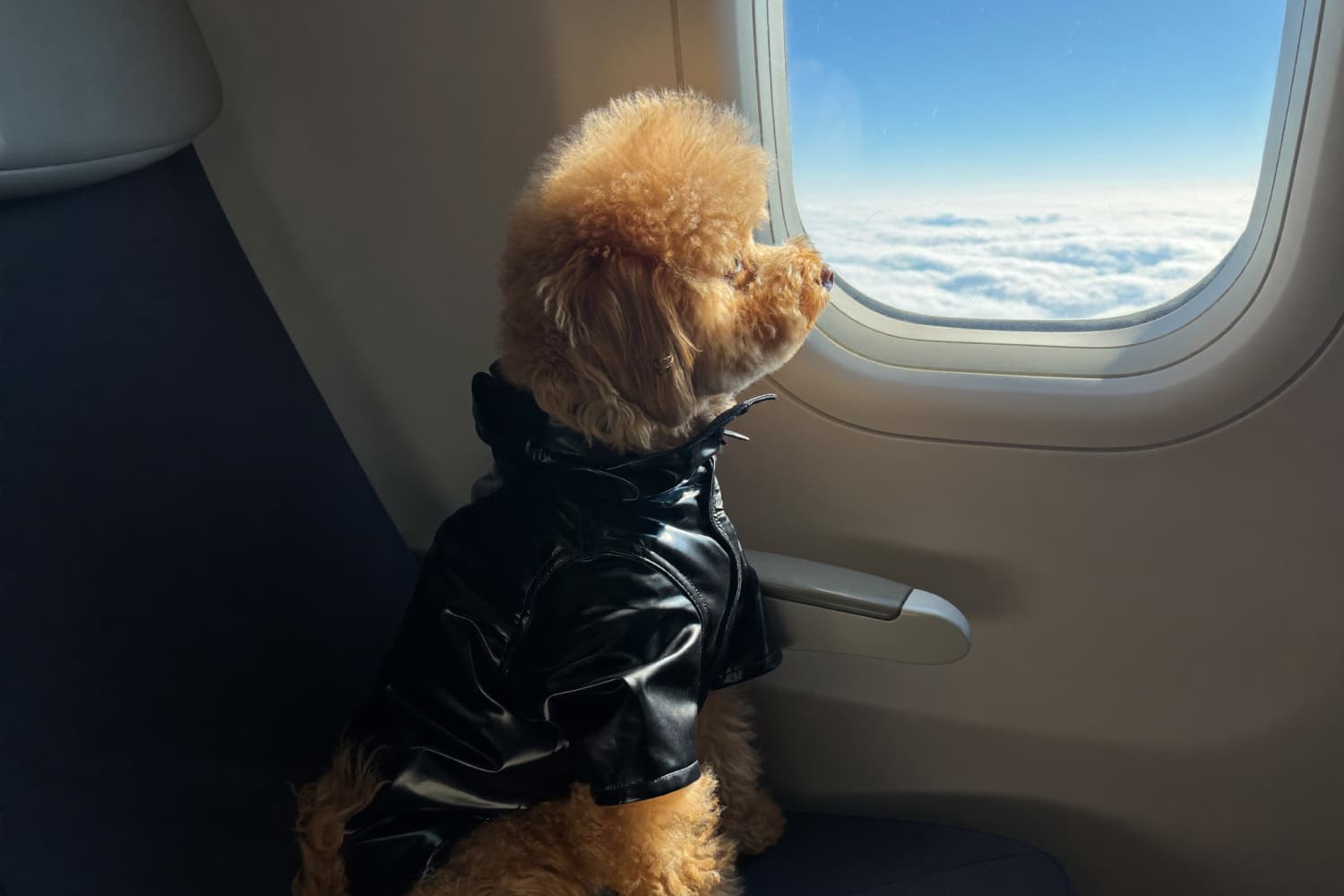
What to do if your pet is denied boarding
Step-by-step advice: how to handle check-in, which rules to show and how to get the airline's refusal on record.
Countries with a high risk of rabies
Which countries are considered high-risk for rabies by the USA, Canada, the EU and other destinations, and how this affects the requirements for bringing in your pet.
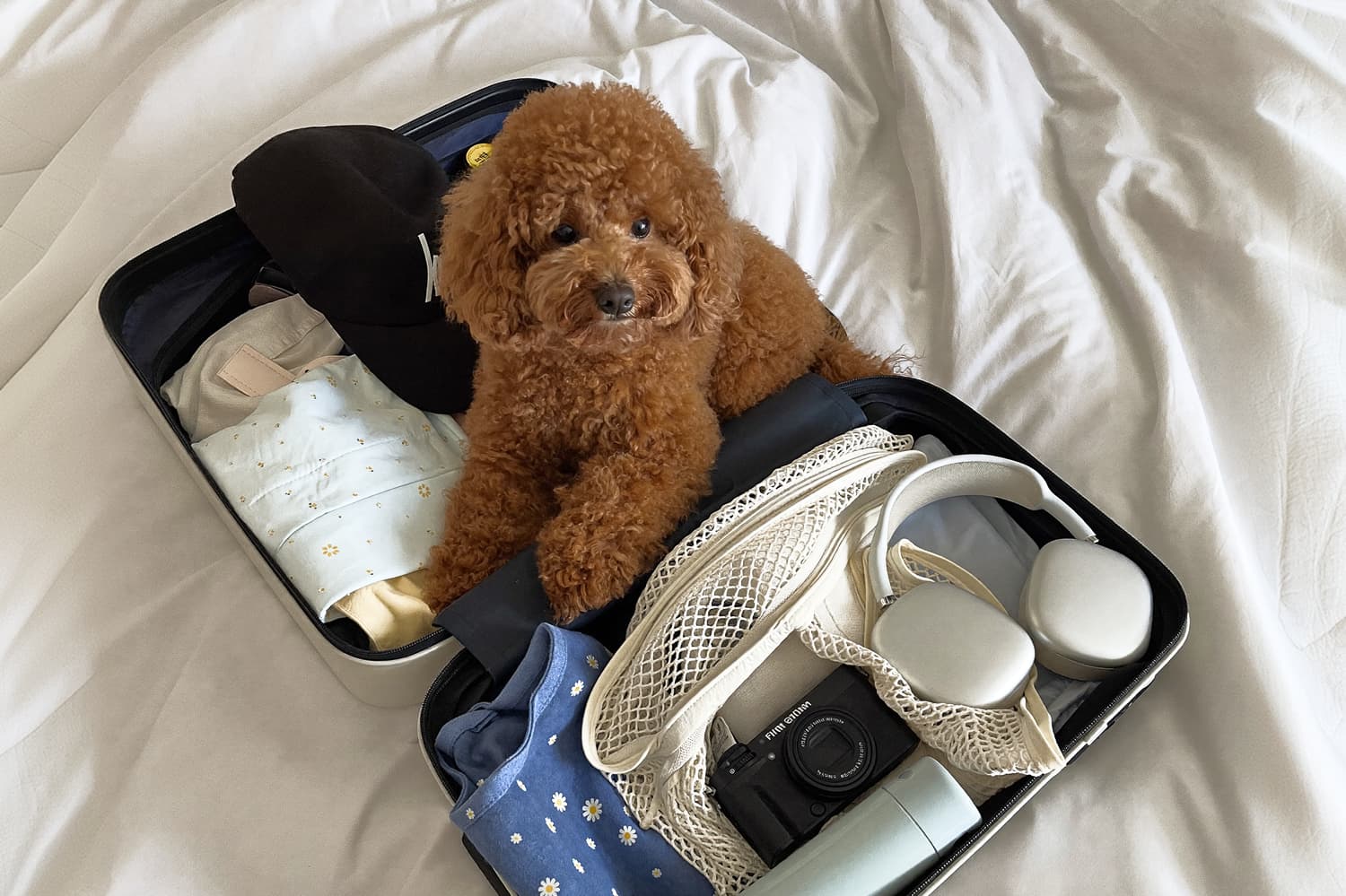
Preparing for the flight: cabin and hold
What to do on the day of departure, how check-in and security work, and what awaits your pet during a transfer, separately for the cabin and the hold.
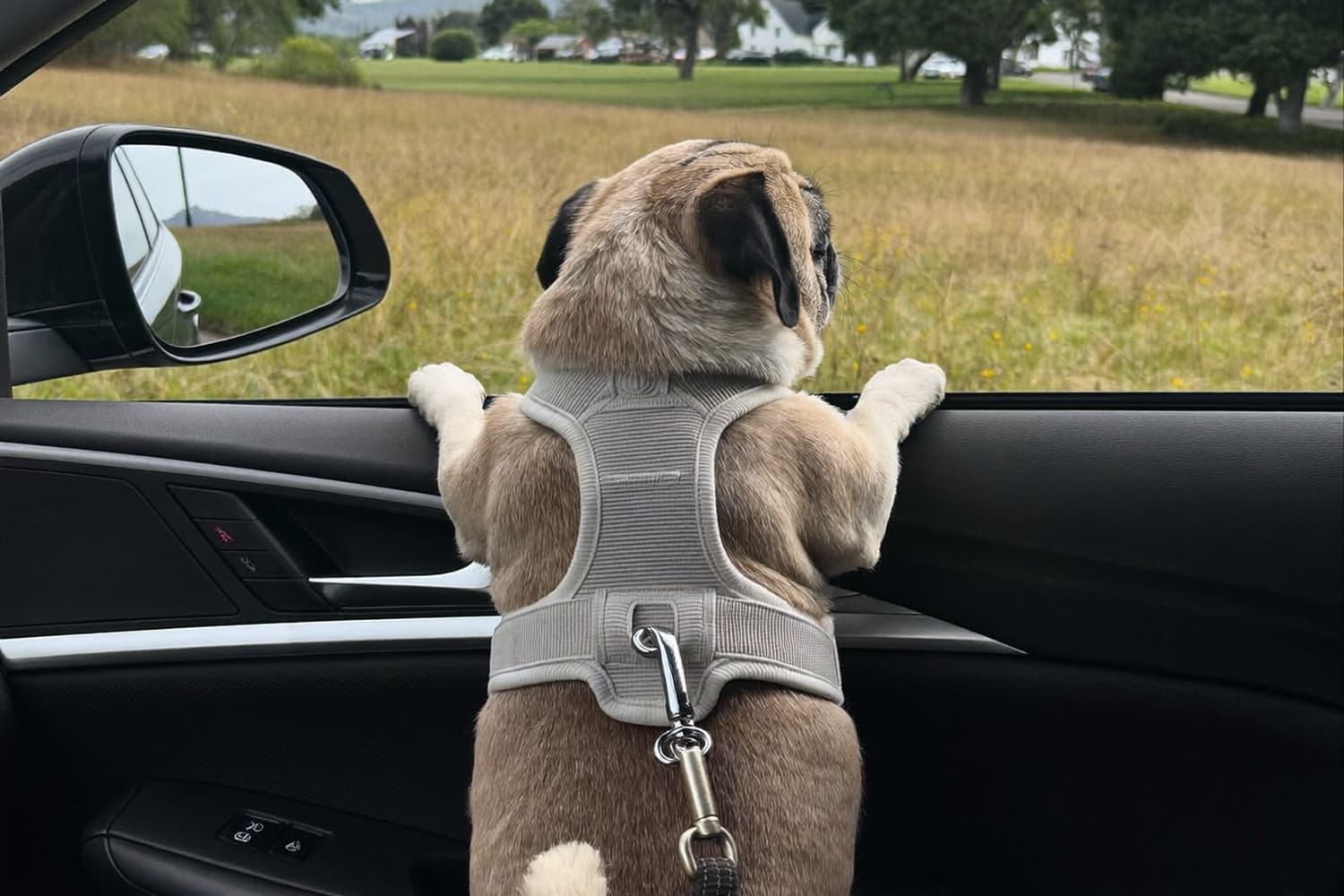
Breeds not allowed in the hold
Which cats and dogs are not accepted in the hold: brachycephalic and potentially dangerous breeds. And what to do if your pet is on the list.


Pet relocation worldwide


[slot] Legal entity name, registration number, licence — to be added after registration
We use cookies
Cookie settings
Essential cookies are always on. You can turn the others on or off.
