
Навигация
Благотворительность


/


25.10.2026
Preparing for the flight: cabin and hold
What to do on the day of departure, how check-in and security work, and what awaits your pet during a transfer, separately for the cabin and the hold.
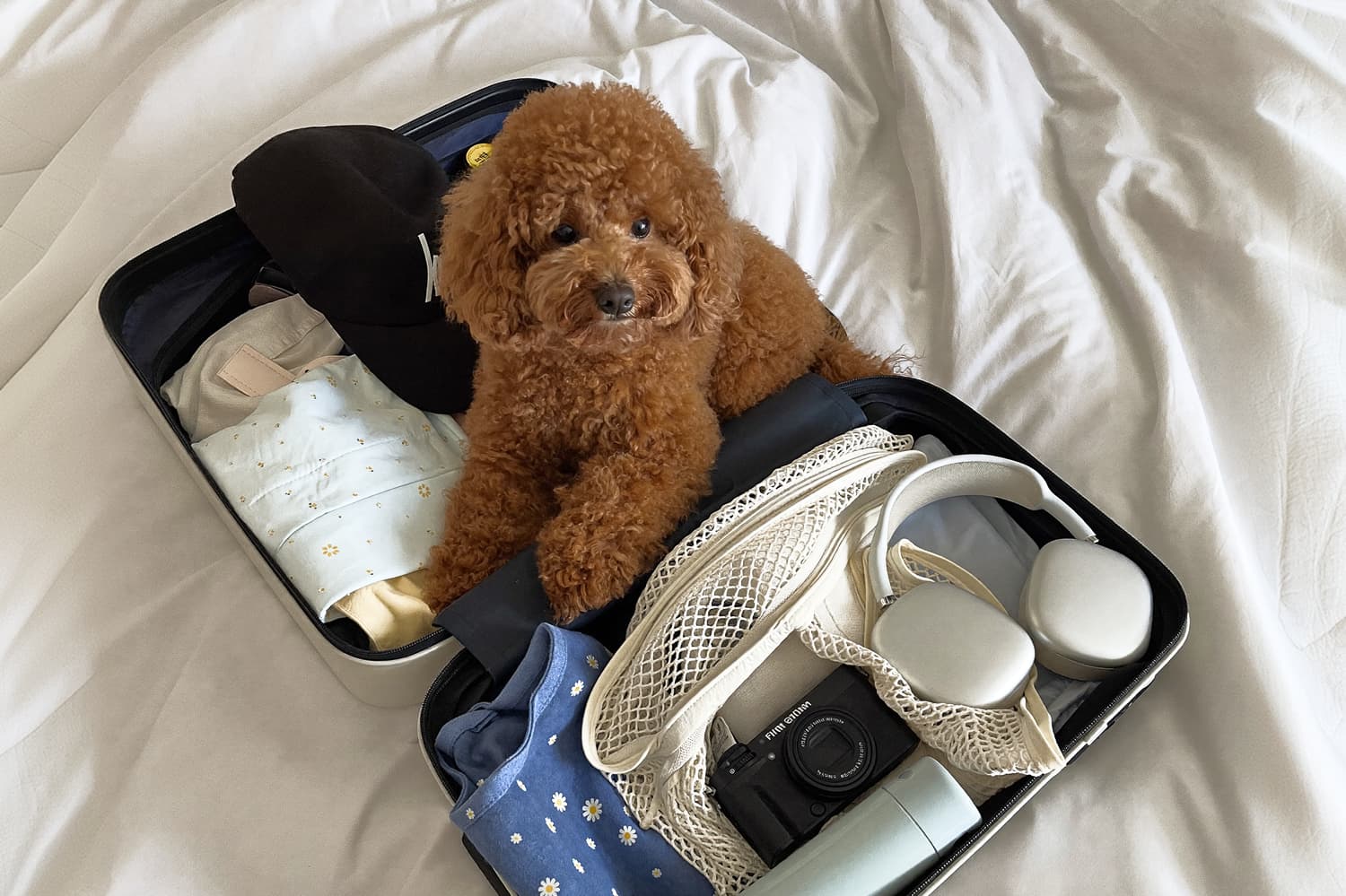
Flying in the cabin
On the day of departure
- Don't feed your pet for 3–4 hours before the flight to avoid nausea and discomfort. Water in a special travel bowl is fine.
- Don't give sedatives without a vet's prescription. Many medicines act unpredictably at altitude.
- Pads: bring spare ones. There are no pet rooms in the airport's airside area, but you can change a pad in a toilet cubicle.
- Some large airports have pet relief areas where you can walk your pet during a transfer. You can check whether there is one in advance or ask airport staff on the spot.
- Don't leave food or bones in the carrier: your pet could choke.
Step by step
- Arrival: arrive 3–4 hours before departure, as checking in an animal takes longer.
- Check-in: pay for your pet's travel (if you haven't already) and show the documents. Staff will weigh the animal together with the carrier.
- Security: you'll usually be asked to put the carrier on the scanner belt separately and carry your pet in your arms through the frame.
- On board: the carrier goes under the seat in front of you and is secured there. Taking your pet out of the carrier during the flight is not allowed.
Flying in the hold
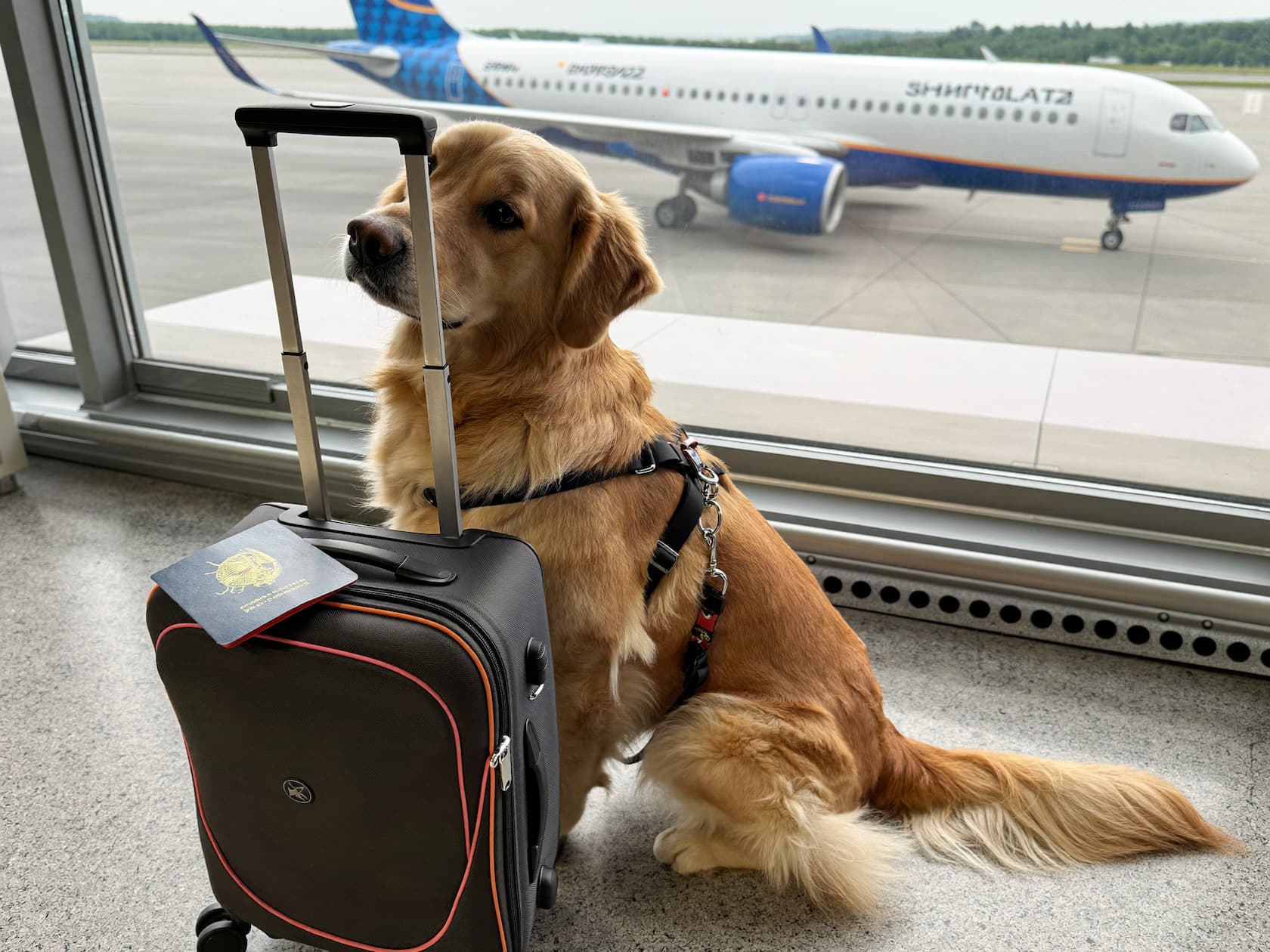
On the day of departure
- Don't feed your pet for 3–4 hours before the flight to avoid nausea and discomfort. Water in a special travel bowl is fine.
- Don't give sedatives without a vet's prescription. Many medicines act unpredictably at altitude.
- Pads: bring spare ones. There are no pet rooms in the airport's airside area, but you can change a pad in a toilet cubicle.
- Some large airports have pet relief areas where you can walk your pet during a transfer. You can check whether there is one in advance or ask airport staff on the spot.
- Don't leave food or bones in the carrier: your pet could choke.
- Just before handing your pet over for the hold, it's a good idea to take them for an extra walk near the airport.
A tip for water: poured water often spills in transit. A good alternative is frozen water: it melts gradually and is less likely to spill.
Check-in and veterinary documents
At check-in, you present your pet's set of veterinary documents.
If the documents are in order and prepared in advance, you usually don't need to visit veterinary checkpoints or other offices at the airport, especially if you have an international health certificate.
There is no universal list of documents. The exact set always depends on the departure and destination countries, and for some routes an international health certificate is not required.
How to hand your pet over for the hold
- Although check-in opens 3 hours before departure, many airports have a later deadline for handing over animals, sometimes 60–90 minutes before the flight.
- Checking this with the airline helps reduce the time your dog spends in the hold and lowers stress.
Paying for your pet's travel
With most airlines, the fee for carrying an animal:
- is a fixed amount;
- is known in advance;
- is paid ahead of time, most often through the airline's call centre.
Turkish Airlines, however, uses a different system for pets travelling in the hold:
- payment is made on the day of departure, at check-in;
- the dog is weighed together with the carrier;
- the cost is based on the actual weight (roughly 1 kg of total weight ≈ 25 euros).
How transfers work with animals
Notes on official regulations and airline practice
During transfers, animals travelling in the hold are kept in special areas of the airport, usually linked to oversized baggage and service facilities. However, conditions for animals during a transfer can vary a lot depending on the airline.
Qatar Airways' official procedure
Qatar Airways deserves a special mention, as the airline has an official procedure for handling animals during transfers. Under this procedure:
- animals are kept in a dedicated animal area;
- dogs are let out of their carriers;
- they are given fresh water and fed;
- animals are walked if needed;
- carriers can be cleaned and serviced.
Practice without an official procedure: Turkish Airlines
Turkish Airlines currently has no official procedure similar to Qatar's that would guarantee walks or letting animals out of their carriers during a transfer.
Even so, based on our practice and our clients' experience:
- there have been cases when animals were given water and fed;
- pads were changed;
- in some cases, animals were even walked.
It's important to stress: with Turkish Airlines this is not a formal obligation but an exception that depends on:
- the specific airport;
- how busy it is;
- the staff;
- the human factor.
A practical tip that improves the odds: in our experience, when flying with Turkish Airlines, a note or sticker on the carrier greatly increases the chance that someone will look after your pet.
Visiting your pet during a transfer
In our experience, at large international hubs such as Istanbul it is sometimes possible to visit a pet travelling in the hold during a transfer. This usually makes sense for long layovers of four hours or more.


More articles
What to do if your pet is denied boarding
Step-by-step advice: how to handle check-in, which rules to show and how to get the airline's refusal on record.
Countries with a high risk of rabies
Which countries are considered high-risk for rabies by the USA, Canada, the EU and other destinations, and how this affects the requirements for bringing in your pet.
Preparing for the flight: cabin and hold
What to do on the day of departure, how check-in and security work, and what awaits your pet during a transfer, separately for the cabin and the hold.
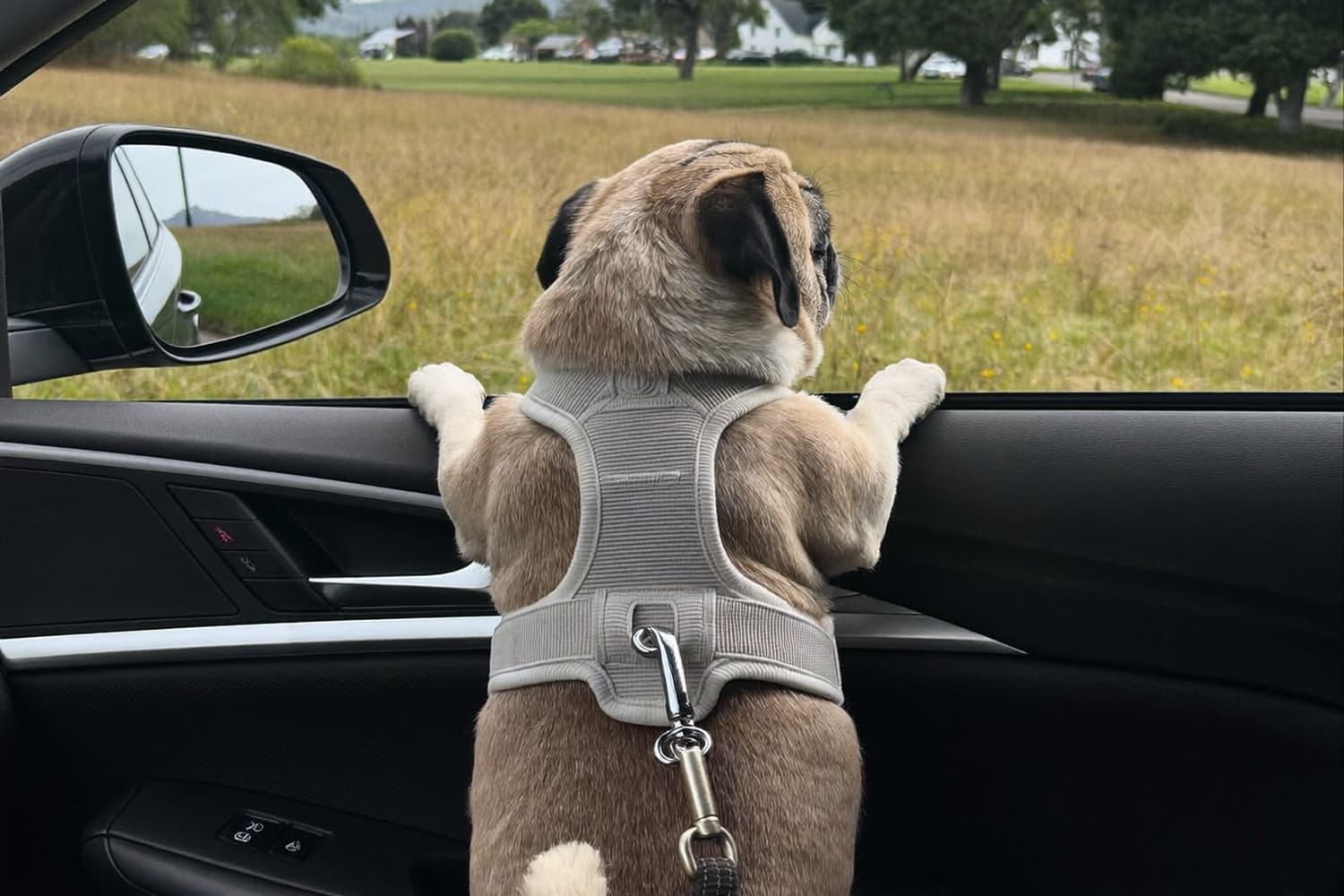
Breeds not allowed in the hold
Which cats and dogs are not accepted in the hold: brachycephalic and potentially dangerous breeds. And what to do if your pet is on the list.


Pet relocation worldwide


[slot] Legal entity name, registration number, licence — to be added after registration
We use cookies
Cookie settings
Essential cookies are always on. You can turn the others on or off.
